Daily Christian Devotion

Your Shame Will Be Rolled Away

Joshua 5:9 NLT

“Then the Lord said to Joshua, ‘Today I have rolled away the shame of your slavery in Egypt.’ So that place has been called Gilgal to this day.”
God had spoken to His people through Moses that He would bring them out of slavery and that He would give them a land flowing with milk and honey, where they would increase, multiply, and be blessed so they could freely worship Him.

These people were oppressed for 400 years together with their ancestors, families, friends, toddlers, teens, and the rest of the younger generation. It must have taken radical courage to convince one another to move forward. On top of this, the mighty Egyptian army chasing and Red Sea in front of them was testing their faith over fear .

God had performed wonders and miracles to deliver them from suffering. Although God brought these people out of slavery and humiliation,living under a taskmaster and under the authority of the oppressor for many years had shaped the way they thought.

They breathed fear. They heard only words of discouragement. They saw only failures. They walked only in distress. They gossiped, talked, and laughed all under slavery—and about their slavery.

Their expectations for life were barely minimal, and the Promised Land seemed more dream than reality.

Along the way, whenever they faced a hiccup in the journey, they stopped, feared, and murmured. At times, they even longed to go back to Egypt rather than press forward into freedom.

Later, they were tried and tested in food, water, disease, war, and natural disasters. Recovery from oppression was not a short walk; it took forty years to see a breakthrough and taste victory. The wilderness became a place where unbelief cost many their lives, and only a few made it to the Promised Land.

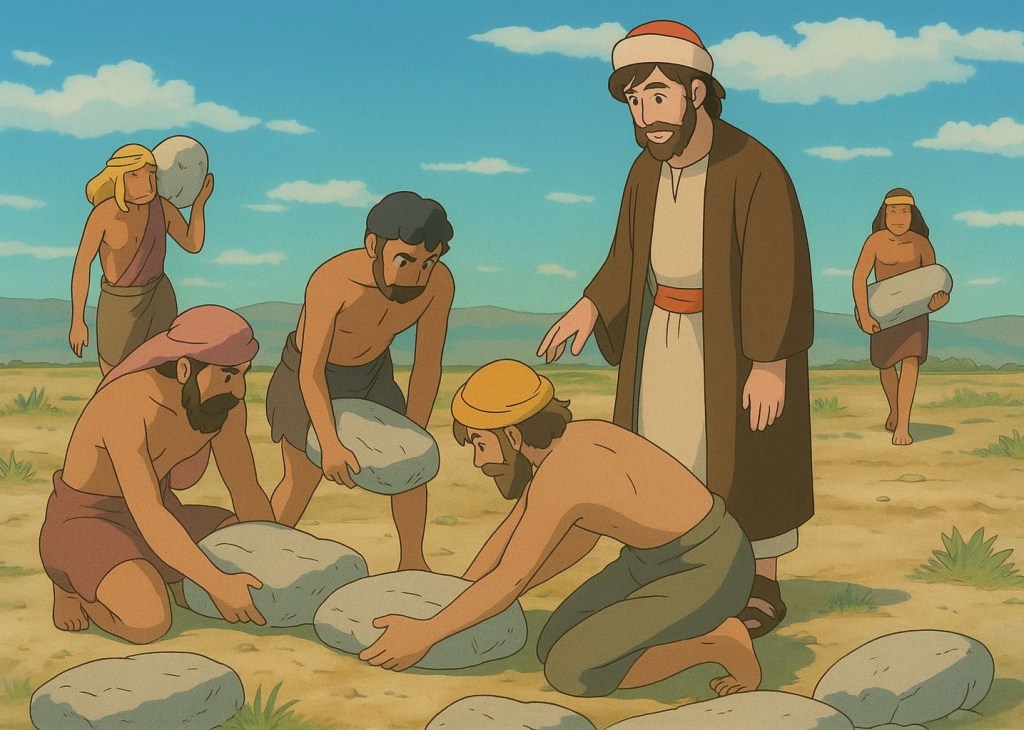
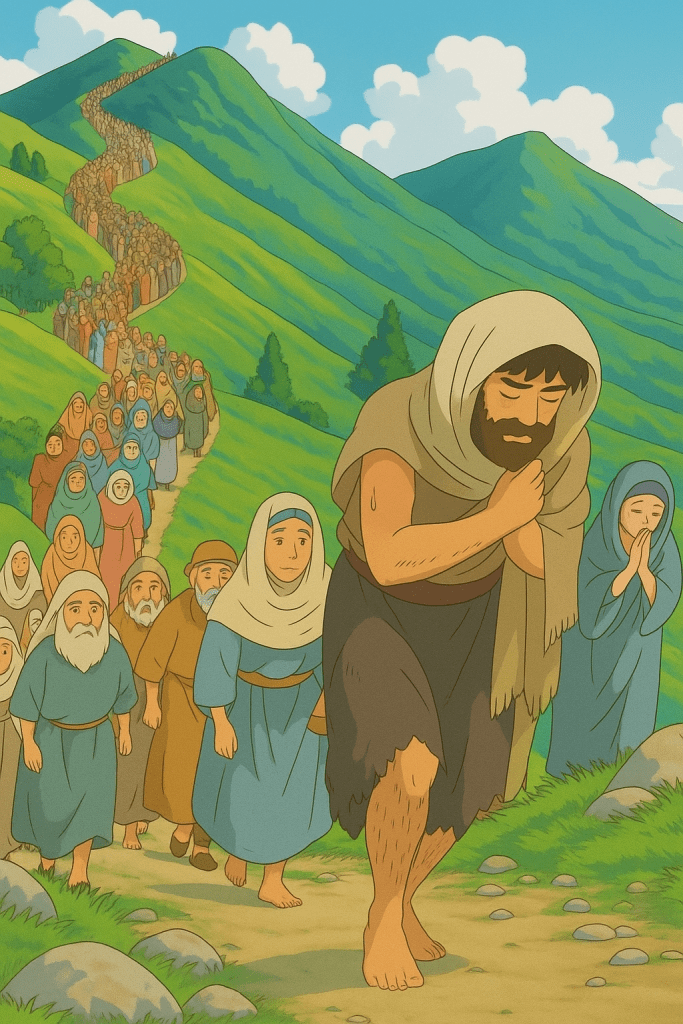
Joshua, the current leader after Moses, was leading the people of God to cross over the Jordan into the Promised Land. Crossing the Jordan was the final step before entering the land of promise. God told them to set up twelve stones as a testimony, a reminder that the slavery of Egypt was behind them. At this moment, the roles were reversed—the oppressed were now free, and their enemies around them were the ones trembling.

Here, God also commanded Joshua to circumcise all the males so that they could enter and enjoy the fullness of the Promised Land. And at this very place, God said to Joshua: “Today I have rolled away the shame of your slavery in Egypt.” That place was called Gilgal.

The Word of God encourages us that He, too, will roll away the slavery of our lives. You may be tried and tested in your journey. Your path may be filled with fear and uncertainty. You may even want to hide from people to escape shame and mockery. Maybe you are recovering from trauma, struggling, and walking through a never-ending wilderness.But God is saying to you: There is a Gilgal for you.

This Word comes to you today with hope: God will lead you to your Gilgal—the place where the shame of your youth, the struggles of your past, and the fear of oppression will be rolled away. Moreover your Gilgal is the place where God restores dignity.

But just as the Israelites had to be circumcised in their flesh, we too must allow God to circumcise our hearts—to cut away unbelief, bitterness, and fear. When the heart is surrendered, the promise becomes clear.

So lift your head. The wilderness is not your home. Shame is not your identity. You are on your way to Gilgal—the place where shame is rolled away, and the future of God’s promise unfolds before you.

Prayer

Heavenly Father, thank You for being the God who rolls away shame. Just as You brought Israel out of Egypt and into the Promised Land, bring me out of my wilderness seasons and into the place of freedom and promise. Lead me to my Gilgal, where the slavery of my past is gone forever. In Jesus’ name, Amen.
Standard
Daily Christian Devotion

A Room For Peace And Prosperity

“I will establish the oath that I swore to Abraham your father. I will multiply your offspring as the stars of heaven and will give to your offspring all these lands. And in your offspring all the nations of the earth shall be blessed.”Genesis 26:3–4 ESV

Isaac, the firstborn of Abraham and Sarah, lived during a time of famine. God instructed him to stay in Gerar in Palestine as a foreigner. God promised to bless him, just as He had promised Abraham.

Isaac planted seeds during the famine, and he harvested a hundredfold because of the favor of God. He not only became rich but also exceedingly prosperous in livestock, herds, and servants. His blessings continued to grow.

The blessing upon him made no sense to others. He planted during famine—a dry time, with no water, no favorable condition to grow crops. To others, it looked like a waste of time and resources. Yet his livestock multiplied, his crops flourished, and his wealth grew. The Bible does not say God sent rain—his only resource was God’s promise and His faithfulness.

But as we know, when others see us blessed, jealousy often rises. The Philistines around Isaac became very jealous and asked him to leave. They even filled the wells that Abraham’s servants had dug. Isaac’s blessing made them fearful.

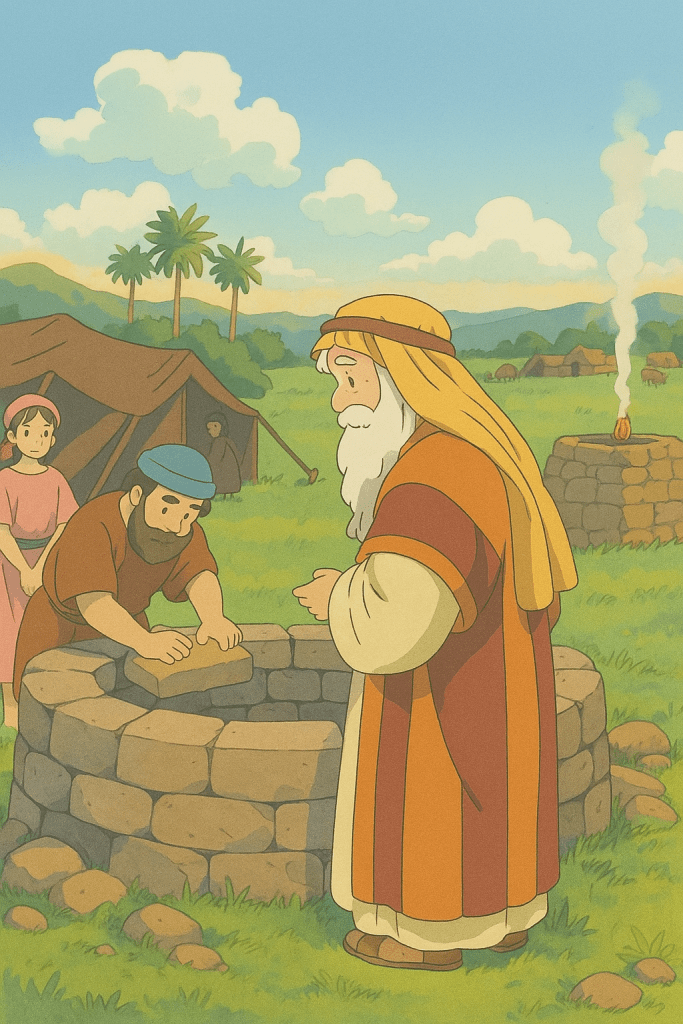
Yet Isaac did not contend with them. He moved away and restored the wells his father had dug, renaming them. On top of that, he discovered a fresh well. But the local herdsmen quarreled with Isaac’s men and claimed it. So Isaac’s men named the place Esek, which means argument or contention.

Isaac did not fight back. He moved on and dug another well. Again, the locals claimed it, and that place was named Sitnah, meaning enmity. Still, Isaac’s men did not argue. They moved on and dug yet another well—and this time no one contended for it. Isaac named it Rehoboth, meaning room, for the Lord had made space for them to flourish.

As the Bible says,

“When a man’s ways please the Lord, he makes even his enemies to be at peace with him.”Proverbs 16:7 ESV

Then King Abimelech came to Isaac in peace, admitting that he could see the favor and blessing of the Lord upon him. He acknowledged that God was with Isaac, and together they made a peace treaty. That very day, Isaac’s men found water, and the well was named Shibah—the well of oath. The city has been called Beersheba to this day.

The Word of God encourages us today that even in days of famine and uncertainty, God’s unfailing promise and favor will remain with us. When people around us see the hand of God in our lives, jealousy will rise. They may compare their lives with ours, and jealousy can grow into contention and enmity. They may even claim what belongs to you—your friends, family, possessions, positions, and property.

Like Isaac carried God’s promise and kept moving forward, we too must press on. Like Isaac restored and renamed the wells of his father, we should also dig and restore the wells of gifts and talents that were once covered and hidden—re-creating our lives for His glory.

Instead of pouring our energy into arguments and enmity, let us use our time wisely to rebuild our lives and bless those around us. In God’s time, He will open for us a Rehoboth—a well of blessing—where we will flourish in the land of the living. Your Rehoboth will even attract your enemies to make peace with you. The favor of God will cause others to testify, “Surely, God is with you.”

Isaac began his journey in Gerar (the lodging place). Through jealousy (Esek) and enmity (Sitnah), he was pushed to discover Rehoboth (room), and finally, he arrived at Beersheba—close to the promised land.

Every challenge, every argument, every contention that rises against the blessing of God in our lives will only serve to push us closer to the fulfillment of His promises. May we receive our portion as we move forward in God’s favor, carrying His promise and walking in His call.

“Don’t settle in the place of contention—keep digging until you reach your Rehoboth.”

Prayer

Heavenly Father,

Thank You for Your unfailing promises that sustain us even in times of famine and uncertainty. Help us to build, restore, and walk in peace as we carry Your promise.

In Jesus’ name, Amen.

Standard
Daily Christian Devotion

God Will Intervene In The Great Betrayal

For the Lord had determined to defeat the counsel of Ahithophel, which really was the better plan, so that He could bring disaster on Absalom!”

2 Samuel 17:14 NLT

Absalom, one of David’s sons, was on a mission to become the next king. He tried to overthrow David’s kingdom before his time and crown himself. To win people’s hearts, he began acting like the “kind ruler.” Every morning, he stood at the city gate to meet those who came for judgment. He would say, “It’s too bad there is no one to hear your case—if only I were judge in the land!” When people bowed before him, he refused their bow but instead took them by the hand and kissed them, pretending to care deeply. He continued this for four years until he stole the hearts of the people.

Absalom also deceived many of David’s counselors, including Ahithophel, David’s most trusted advisor, whose counsel was considered as if it came from God. But Ahithophel carried a long-standing bitterness toward David and used this chance to betray him by joining Absalom’s side.

When David realized his own son and his most trusted counselor had risen against him, he fled with a small group of soldiers, family members, bodyguards, and advisors, carrying the ark of the covenant with them. On the way, a loyal guest insisted on staying with David, vowing to remain with him in life or death.

David climbed the Mount of Olives weeping, barefoot, and covering his head in sorrow. When he heard that Ahithophel had sided with Absalom, he prayed: “Even my close friend, whom I trusted, he who shared my bread, has lifted up his heel against me” (Psalm 41:9). He asked God to turn Ahithophel’s wisdom into foolishness.

God answered. Absalom, who normally followed only Ahithophel’s counsel, unusually sought a second opinion from Hushai, David’s loyal friend who had returned to Absalom pretending loyalty. Hushai gave advice that contradicted Ahithophel, and Absalom chose to follow instead. Hushai secretly warned David, giving him time to escape.

When Ahithophel saw that his advice had been rejected, he went home and hanged himself. Later, Absalom too was killed in battle. If Absalom had followed Ahithophel’s original plan by sending 12,000 soldiers, David’s life would have been in grave danger. But God overruled the wisdom of man and turned it into foolishness.

We are reminded of Absaloms and Ahithophels in our own lives. It is very unfortunate that we live in a world where even our own friends, family, and trusted alliances can turn against us. The same people who spend time eating and drinking with us might have a hidden agenda. They might rise against us, gathering others to defeat us. We may even see them grow stronger and stronger while we grow weaker and weaker. Like David, we might be moaning and weeping over the great betrayal from our own.

The Bible teaches us to build an altar of worship in the time of crisis, just as David did on the Mount of Olives. How many may ever come against you, making plans to devour—be encouraged to know that we have a God in heaven, who sees our cry, feels our pain, and knows our wandering and weeping. The same God who turned the wise man Ahithophel’s advice against him will do the same for you.

The enemies hoped to overpower us, but God will make quite the opposite happen.

David patiently waited, hoping in God, and God kept him safe. In the same way, He will keep us in His safe haven and subdue our enemies in due time. Our very own can disown us, but God will send strangers to be on our side to strengthen us.

The Lord will turn Ahithophel’s advice of destruction into a memorable victory.

Prayer:

Lord, thank You that You are our refuge and our stronghold. Help us to trust in Your timing and Your plans, knowing that what was meant for our destruction, You can turn into a memorable victory. In Jesus’ name, Amen.

Standard
Daily Christian Devotion

Give It All To Him

8th Sep 2025

James 1:2–4 (ESV)

“Count it all joy, my brothers, when you meet trials of various kinds, for you know that the testing of your faith produces steadfastness. And let steadfastness have its full effect, that you may be perfect and complete, lacking in nothing.”

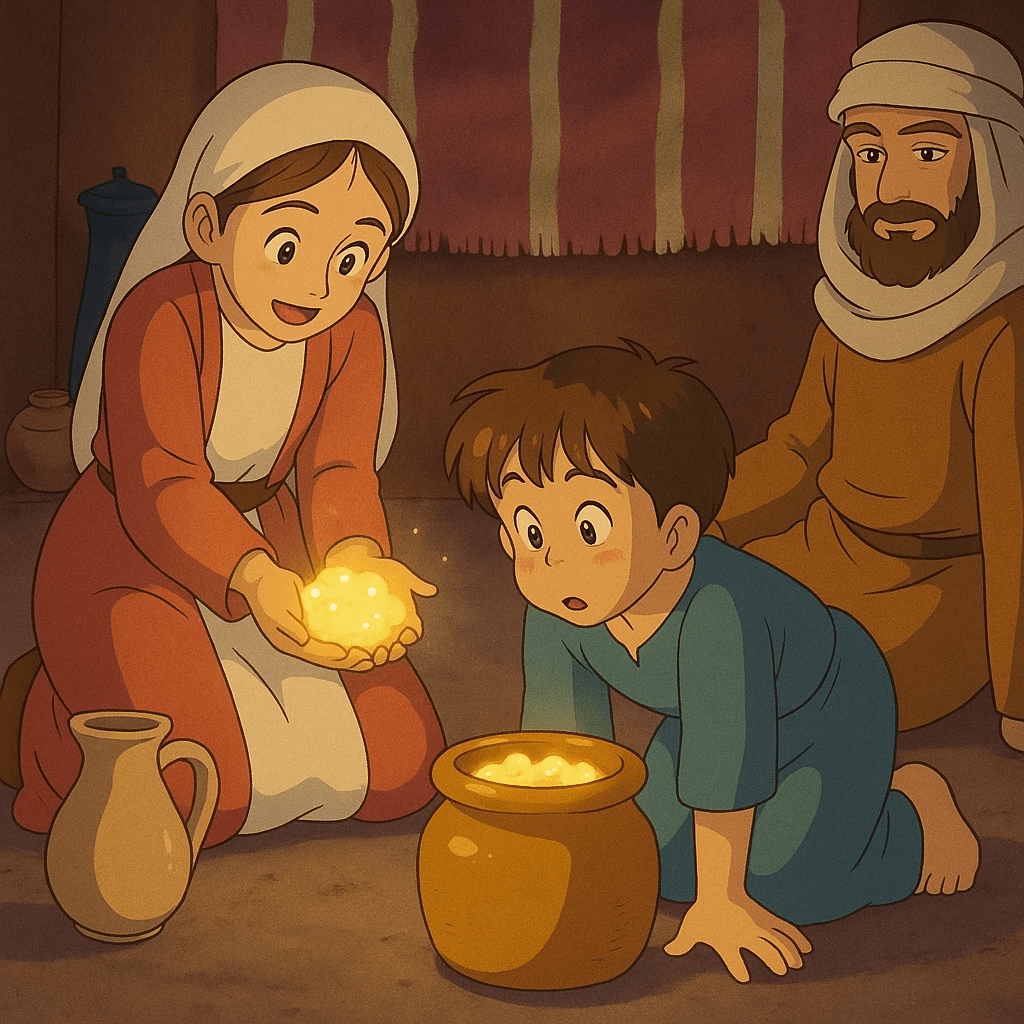
In a time of severe famine, when food and water were scarcely available, God still had a plan to feed His people. He instructed the prophet Elijah to go and live in the village of Zarephath, assuring him that a widow there would provide for him.

As Elijah entered the city gate, he saw a widow gathering sticks. He asked her for some water, and as she went to get it, he also asked for a piece of bread. The widow explained her desperate condition—she had only a handful of flour in a jar and a little oil in a jug. She was preparing a final meal for herself and her son, after which they expected to die.

Elijah told her, “Make a small loaf for me first, and then make some for yourself and your son. For the Lord says: The flour will not be used up, and the jar of oil will not run dry until He sends rain on the earth.” She obeyed, and as God promised, the flour and oil never ran out. They ate and were satisfied for many days.

It is striking that God chose this particular widow to sustain Elijah during famine. The Lord could have sent him to a wealthy home with plenty stored away, but instead He went to a house where there was no man to provide, no field to work, and nothing left for tomorrow. In those days, widows often survived only on the kindness of others. Yet God chose her home to reveal His power.

This widow believed she and her son would die after their last meal. Yet God asked her to give to a stranger from her very little. Humanly speaking, it sounds unreasonable—almost impossible. But when she obeyed, she discovered that her little became endless in the hands of God.

This shows us something powerful: God often selects people for blessing long before they realize it. He saw this woman in her hopelessness, her affliction, and her insecurity, and He set her apart for a miracle. The same is true for us. God may send someone into your life with a genuine need—or someone who tests your patience, time, and resources—so that through the stretching, His goodness and provision are unveiled.

What Elijah asked of the widow may have sounded ruthless, but it was the doorway to her breakthrough. Not everyone who enters your life comes with bad intentions. Some are sent by God so that through the pressing and the breaking, you will begin to produce fresh oil. We are handpicked, tested, and tried so that we may be made complete in Him.

This widow, in her darkest moment, chose to believe the promise of God. She obeyed and gave her last portion, and in return, she saw an overflowing blessing. God delights in blessing those who surrender everything to Him. He asked for her “nothing” so He could give her “more than enough.”

Give to God—even the least you have—and you will see His faithfulness take its full course in your life.

As promised, you will lack nothing:

1 Kings 17:14 (ESV)

“‘The jar of flour shall not be spent, and the jug of oil shall not be empty, until the day that the Lord sends rain upon the earth.’”

Prayer

Heavenly Father, thank You that even in seasons of famine, You are the God of abundance. Strengthen our faith to give, to serve, and to trust You fully, so that we may see Your overflowing provision and goodness in our lives. In Jesus’ name, Amen.

Standard
Daily Christian Devotion

Be available with your Little Strength

The LORD turned to him and said, “Go in the strength you have and save Israel out of Midian’s hand. Am I not sending you?” Judges 6:14

Gideon, came from the smallest tribe, Manasseh, and he was the youngest in his family. During his day, the people of Israel were overpowered by the Midianites. They made dens in the mountains and caves to escape from their enemies. The Midianites came after the Israelites’ crops and livestock. They were numerous in number and left Israel with only a few things to take back home. God allowed this because of their unfaithfulness and sin. Yet when they cried out to God for help, He sent a promising word to deliver His people.

One day Gideon was beating out wheat in the winepress to hide from the enemy. The angel of the Lord met this lowly person and called him, “Mighty man of valor. The Lord is with you.”

This man Gideon lived much of his life with disappointment and inadequacy. When the angel called him a warrior, it was contradictory to what people used to call him. His very name, Gideon, means “woodcutter.” He could not believe what the angel had spoken over him. In those ancient days, the youngest were considered least in authority and inheritance rights. It is natural for anyone to be in disbelief, considering where they came from and what they were capable of doing. The equation did not make sense when the angel called him a warrior.

But God overruled Gideon’s doubts and confirmed his calling. Judges 6 records powerful incidents where God Himself answered Gideon’s requests for confirmation. The Spirit of the Lord came upon Gideon and the people with him as they encamped against the Midianites.

Gideon brought 35,000 soldiers to fight, but God told him to reduce the number. God knew that if Israel won with such a large army, they would boast in their own strength. So Gideon sent home the fearful, cutting the number to 22,000. Still, that was too many. God gave Gideon a selection process until only 300 men remained.

This weakest clan, with the least mighty man—Gideon—was now ready to face a vast army. God said, “You are good to go. I have given this mighty army into your feeble hands.”

That night, God told Gideon to rise and go down to the enemy camp. Along with Purah, Gideon approached and overheard two Midianite soldiers sharing a dream and its interpretation: Israel would defeat them. Strengthened by this word, Gideon worshiped.

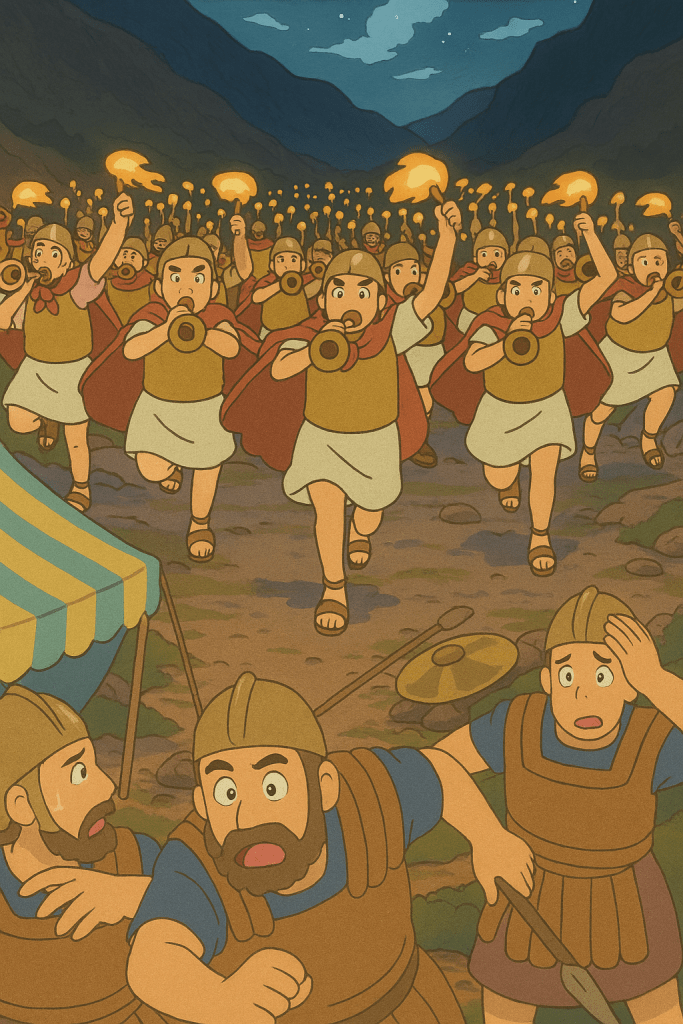
With his small force, Gideon advanced and surrounded the enemy from three sides. During the change of guard, they broke jars, lifted torches, and blew trumpets. The camp was thrown into confusion. The Midianites turned their swords against one another and fled in terror. Gideon and his men pursued them and defeated them, along the very route the Midianites once used to torment Israel.

The Word of God brings encouragement today: God can use you regardless of who you are or where you come from. He calls you a warrior. People may label you with names that make you feel inferior, but I encourage you to overhear only what God says—you are valiant.

It is okay to doubt. It is okay to feel weak. God will send you a word to strengthen you. He is not asking, “Can you do it?” He is saying, “I am sending you.” Your weakness doesn’t matter, because God Himself will be your defense and fortress. The question is, are you ready to be used by Him?

When you make yourself available, God will show up for you. With the little strength, the little talent, and even the little faith you have, He will use you to chase a vast army. As you step forward into His calling, He will send confusion into the enemy’s camp and clear your path so you can continue His work.

Your beginning may look humble, like a woodcutter, but your ending will be that of a victorious warrior. Start with the little strength you have—for isn’t it God who is sending you?

Prayer:

Lord, thank You for reminding me through Gideon’s story that You see me not as I am, but as who You have called me to be. I choose today to make myself available for Your calling. Use me, Lord, even with my little strength, for Your glory. In Jesus’ name, Amen.

Standard
Daily Christian Devotion

Identify your Samson and Delilah

1 Peter 5:8–9

“Be alert and of sober mind. Your enemy the devil prowls around like a roaring lion looking for someone to devour.”

There is a man named Samson in the Bible. He was born to parents who had been barren for a long time. God promised them a son, saying his name would be great and that he would save the people of Israel. But Samson was to be consecrated to God. He was not to drink wine, eat unclean food, or have his head shaved ever. The strength of Samson was hidden in his hair, but more than that, the Spirit of God rested upon him, making him the strongest man in Israel.

His enemies feared his physical strength and the power of God’s Spirit when he attacked. No one could defeat this mighty man. For many years, Samson judged Israel, and time after time his enemies plotted to trap and kill him. Yet he was quick-minded, and with his clever defenses he defeated countless enemies single-handedly.

Eventually, his enemies grew weary of failing against him. They found a woman named Delilah and persuaded her to seduce Samson and discover the secret of his strength so they could overpower him. Unfortunately, Samson fell in love with her. Delilah tried to uncover his secret. Three times he gave her false answers, and each time she immediately called the Philistines to test him. But they failed, because the Spirit of God still rested on him.

At last, she attacked him emotionally, saying: “How can you say, ‘I love you,’ when your heart is not with me?” The Bible says she pressed him with her words day after day until his soul was vexed to death.

Finally, Samson opened his heart to her and revealed the truth, explaining that a razor had never touched his head because he had been consecrated to God from his mother’s womb. He confessed that if his head were shaved, his strength would leave him, and he would become as weak as any other man.

That was the downfall of Samson. Delilah lulled him to sleep on her knees, called the Philistines, and had them shave off the seven locks of his hair. Once the Lord’s strength left him, he became weak and vulnerable. His enemies seized him, gouged out his eyes, bound him, and threw him into prison.

In the end, Samson realized his mistakes, called upon God, and with renewed strength from the Lord, pulled down the pillars of the temple, defeating his enemies one last time. His story reminds us why we must remain alert and sober-minded.

The Bible describes a sober-minded person as one who has a disciplined mind, self-control over thoughts and emotions, and freedom from intoxicating influences or negative passions—a person with sound judgment and right actions. Samson, though strong in body, became foolish in mind. Even after Delilah betrayed him three times, he ignored the warning signs. Blinded by deception, he revealed his heart to the wrong person.

Samson could handle physical attacks, but when the attack came in the name of love, he lost his discernment. Sharing your heart with the wrong person will bind you and lead to defeat.

We all face “Samson and Delilah” moments. The Bible warns that the enemy is always ready to exploit our weaknesses, often disguising traps in the name of love. When the enemy sees your strength, your gifts, and the impact you make in your family, community, and workplace, he will send Delilahs to corrupt, deceive, and weaken you.

Some kinds of attacks do not even come with swords or spears. They come with sugar and honey, with deception on lips packed with beauty.

You may once have been a person with a calm and clear mind, but now find yourself flooded with Delilah’s words pressing down on your thoughts, intoxicating and hindering your judgment.

The Word of God urges us: “Be sober, be clear-minded.” Identify the calling of God in your life. Stay aware of the direction you are heading. Ask God for wisdom to discern those who bring intoxicating influence. Pray for His guidance to expose lying tongues and manipulative spirits.

Invite the Holy Spirit to be your companion, so that even when words press heavily on your spirit, He will strengthen you to overcome the enemy. God’s Word will be a lamp to your feet and a light to your path.

God has given you the gift of free will. Choose wisely—and choose for His glory.

Prayer

Heavenly Father, thank You for the warning and wisdom in Your Word. Help me to be alert and sober-minded, guarding my heart and mind against deception. Fill me with Your Spirit, so that my thoughts, words, and choices honor Yo u In Jesus’ name, Amen.

Standard
Christ, Hope, Uncategorized

Move Forward With Your Identity

“You come against me with sword and spear and javelin, but I come against you in the name of the Lord Almighty, the God of the armies of Israel, whom you have defied.” 1 Samuel 17:45

David was a shepherd boy who usually brought food to his brothers in the army every day. One day, he happened to see Goliath, the giant, who came out day after day for forty days, exposing the inability of the Israelite army to defeat him. All the soldiers were humiliated by the giant, but David volunteered to fight him.

He expressed his willingness to face Goliath. King Saul tried to convince him that the giant had been a warrior since his youth. But David did not accept Saul’s words. Instead, he laid down his “CV,” explaining how he struck down lions and bears and rescued sheep from their mouths. He went on to describe his skills and how he defended himself when the beasts turned against him.

For David, fighting Goliath was just another act of courage, like when he was shepherding. He believed that the same God who gave him victory in rescuing and defending his flock would also be with him as he faced this giant. David was not intimidated—whether by a terrifying animal or a mighty warrior. He knew the weapons he had were powerful enough, with God’s help, to bring down Goliath.

Somehow, David convinced King Saul. Saul gave him his tunic, his coat of armor, and a bronze helmet. David tried them on, but he could not walk properly with the sword and armor. He declined Saul’s defense mechanisms and instead took his staff, five small stones, his shepherd’s bag, and a sling in his hand.

David prepared himself for battle and was content with what he had because his trust was in Almighty God.

Then, the tall, fully armored giant stepped forward with his shield to defend himself against the unarmed shepherd boy. Goliath saw David as a healthy, handsome young man but mocked him, saying he would soon become food for the birds. But while Goliath saw a boy, God saw a warrior and the future king of Israel.

The first thing Goliath noticed was David’s simple weapon, his staff, and he threatened him. But David responded that while Goliath came against him with sword, spear, and javelin, he came against Goliath in the name of the Lord Almighty, the God of the armies of Israel.

Long story short, David marched forward with boldness. He placed a stone in his sling, released it, and struck Goliath on the forehead. The giant fell face down, and David cut off his head with Goliath’s own sword.

David won the battle with his own identity—his shepherd’s dress and shepherd’s tools. He was uncomfortable carrying Saul’s identity as a warrior.

Today, the Word encourages us that God has been preparing, molding, and equipping you for your battles. We carry an identity in the Kingdom of God. Instead of trying to wear someone else’s identity or handle situations the way others do, embrace who you are, the gifts you have, and where God has placed you. Trust Him, for He is the greatest weapon. Take courage with what you are equipped with—the battle is not yours but the Lord’s.

The same God who has rescued, protected, and guarded you in the past is still faithful and powerful to give you victory in every giant-like situation.

Prayer

Lord, thank You for all that You have been building in me. Give me the courage to face the battles ahead of me. In Jesus’ name I pray, Amen.

Standard
Uncategorized

Simply, A New Life

But Elisha sent a messenger out to him with this message: ‘Go and wash yourself seven times in the Jordan River. Then your skin will be restored, and you will be healed of your leprosy.’”

—2 Kings 5:10 (NLT)

Naaman, the commander of the Syrian army, had an excellent track record of victories. He was influential, blessed, and famous. Yet despite his greatness, he was afflicted with leprosy—a disease considered unclean in those days.

During one of his campaigns, Naaman’s army captured a young girl from Israel, who was then placed in service as a helper to his wife. This little girl, though a captive, cared enough to point her master toward healing. She told her mistress that Naaman could be healed if he went to the prophet in Israel.

Interestingly, the Bible does not say that Naaman was actively searching for healing. Perhaps he had grown weary of trying and had resigned himself to living with the disease. But the girl’s simple words stirred a new possibility. She believed that what others saw as a hopeless condition, God could cleanse.

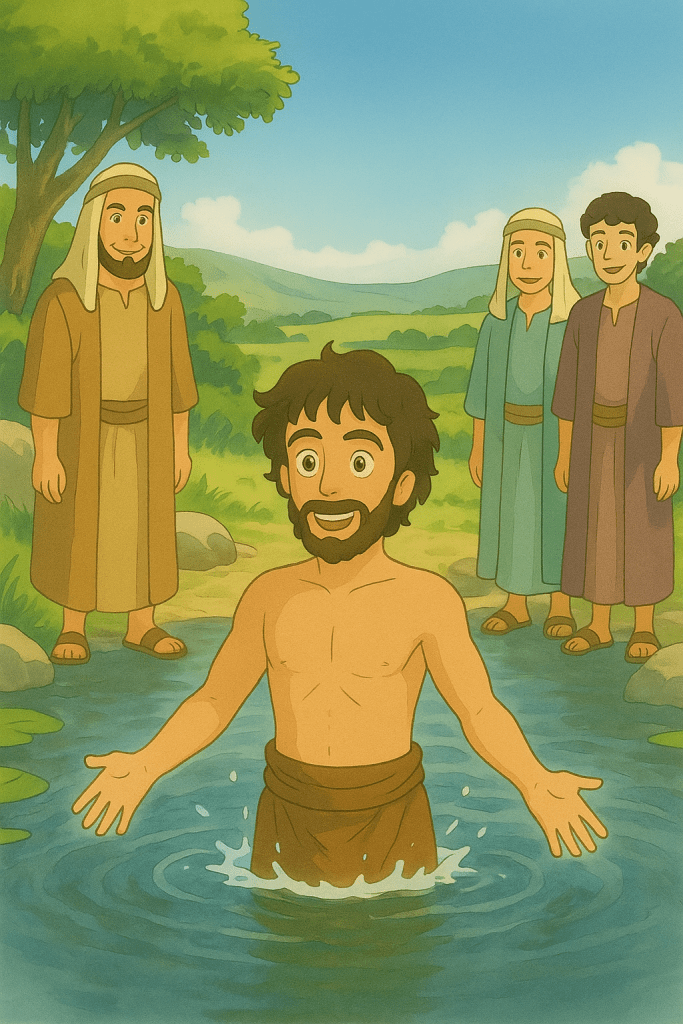
Naaman listened. He traveled to Israel, expecting a dramatic encounter with the prophet Elisha—perhaps a public display of prayer, or the prophet waving his hand over him to bring healing. Instead, Elisha did not even meet him in person. He simply sent a messenger, instructing Naaman to dip himself in the Jordan River seven times.

Naaman was offended. To him, the Jordan seemed inferior compared to the great rivers of his homeland. He was ready to walk away in anger. But his officers tried to reason with him and said, “Sir, if the prophet had told you to do something very difficult, wouldn’t you have done it? So you should certainly obey him when he says simply, ‘Go and wash and be cured!’” (2 Kings 5:13, NLT).

The real struggle for Naaman was not dipping into the water—it was accepting that such a great deliverance could come through something so simple. Yet when he humbled himself and obeyed, he dipped, he washed, and he came out with skin like that of a child. He was made clean. Naaman praised the God of Israel and chose to live a godly life thereafter.

Even today, many people around the world long for healing, deliverance, or breakthrough. Some are misled into believing they must endure complex, exhausting, or painful processes to receive it. But the Word of God reminds us that the greatest work has already been accomplished on the cross.

Salvation, healing, and a brand-new start are not earned by difficult rituals—they are received through a simple act of faith. All you need to do is surrender your heart to Jesus, believe that His blood can wash you clean, and accept His forgiveness.

You may wonder, “Can something this great really come from something so simple?” Yes—it can. Just as Naaman discovered, God’s power is revealed through humble obedience and simple faith.

Today, I encourage you: Believe in Jesus. Trust His Word. And you will see your life restored—filled with peace, purpose, and the joy of a new beginning.

Prayer:

Lord, thank You for Jesus Christ, who took our burdens upon the cross and cleansed our sins by His blood. Today, I accept the forgiveness He offers and the brand-new start You have given me. In Jesus’ name, Amen.

Standard
Christ, Hope, Potter , encouragement, Uncategorized

Trust the potters process

Jeremiah 18:6“As the clay is in the potter’s hand, so are you in My hand.”

This scripture beautifully illustrates God’s authority over our lives. Like a potter shaping clay, He works tirelessly—forming, refining, and molding us into something purposeful. The potter may break down and rebuild the clay again and again until it takes on the exact shape he envisions. His goal is to create a vessel that can either hold something valuable or stand as a work of art for display. When the work is complete, the potter marks it as his masterpiece.

Likewise, God—the Master Potter—holds our lives in His hands. Even in seasons of brokenness, He is not discarding us; He is reshaping us. Every press, every turn, and every remolding is part of His process to make us into vessels of honor—living testimonies of His goodness.

Further down in this passage, we see a call to repentance—an invitation to yield to His hands, like clay that does not resist the potter’s shaping. When we surrender, He can complete His perfect work in us and leave His unmistakable mark so that all can see we are His handiwork.

If your current season feels shattered, remember: you are still in the Potter’s hands. This brokenness can become your breakthrough—if you trust His process.

God bless you!

Standard