Daily Christian Devotion

The Lord Will Give You Sound Mind

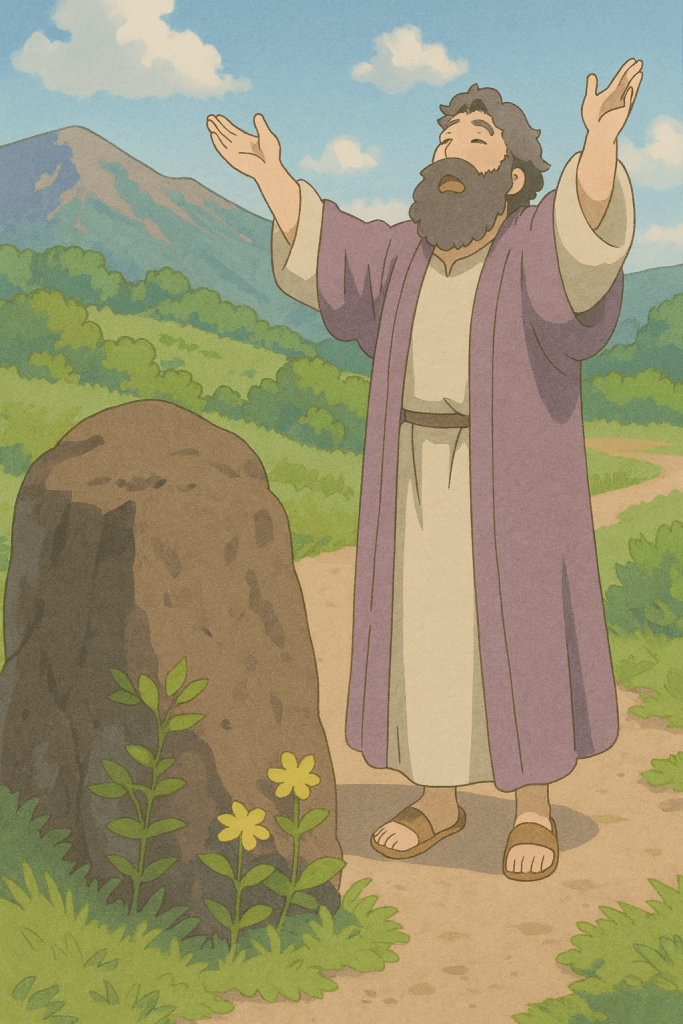
“And Elijah came near to all the people and said, ‘How long will you go limping between two different opinions? If the Lord is God, follow Him; but if Baal, then follow him.’ And the people did not answer him a word.”

1 Kings 18:21 (ESV)
Being indecisive is the inability to make firm decisions in matters that require clarity and commitment. The Bible speaks clearly about the consequences of indecision and the blessings we miss when we fail to make the right choices.

James 1:8 tells us that a double-minded person is unstable in all his ways. Jesus teaches in Matthew 6:24 that no one can serve two masters; devotion to one makes loyalty to the other impossible. The book of Revelation warns that the Lord will spit out those who are lukewarm—neither hot nor cold.

Sitting on the fence between sin and holiness, good and evil, right and wrong reveals a lack of true commitment. Indecision exposes a divided heart.

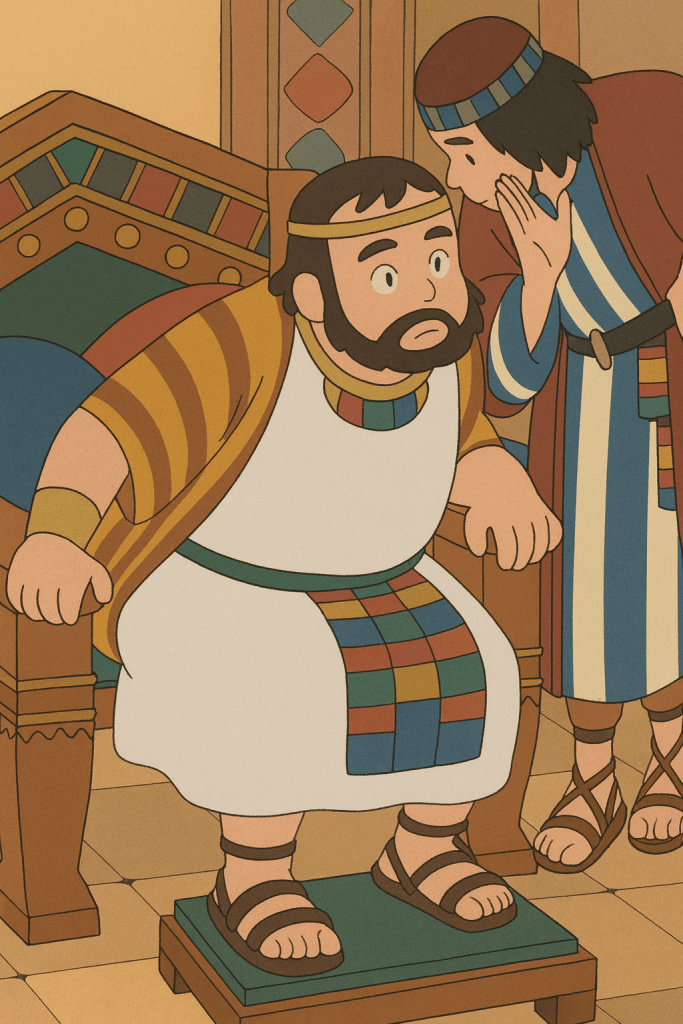
Solomon loved the Lord, yet he also built altars and offered sacrifices to foreign gods. This compromise led him to practice their ways, and God held future generations accountable for Solomon’s disobedience.

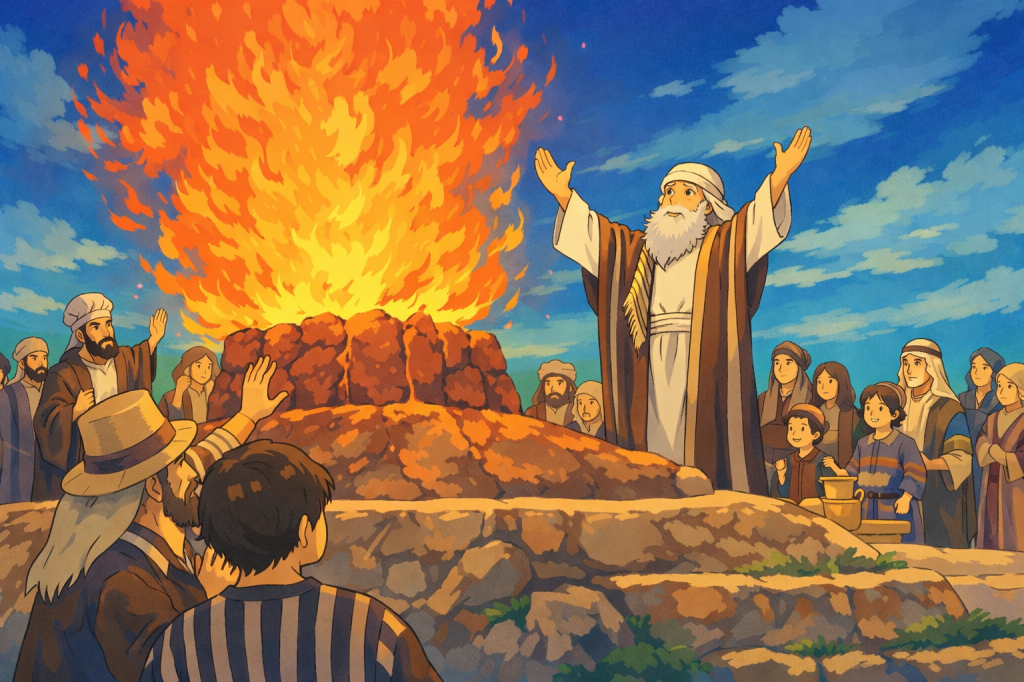
In this passage, the prophet Elijah confronts the people of Israel and challenges them to stop limping between the God of Israel and Baal. They were attempting to merge the practices of Baal with the worship God had instructed. They tried to please both people and God. They wavered between the fear of man—King Ahab and Jezebel—and the fear of the Lord.

Our Almighty God is pleased with unwavering commitment and is angered by divided loyalties. The Word of God makes it clear that there are not multiple paths to God, but only one. When God gives instructions, He does not give multiple directions—He gives one clear path.

Many times, our struggle to make right decisions comes from fear, anxiety, lack of confidence, or the fear of losing people, position, or place. At times, emotional wounds and inner struggles can also affect our ability to choose wisely. Yet, regardless of any struggle or diagnosis, the Bible reminds us that God has not given us a spirit of fear, but of power, love, and a sound mind. This sound mind enables us to discern, choose, and act.

Fear the Lord alone. Trust God with all your heart and do not lean on your own understanding. Be sensitive to the voice of the Holy Spirit—He will guide you on the right path. As you rely on the living Word of God, there will be no confusion, no doubt, and your choices will be firm and unwavering. The Lord Himself will give you the boldness to stand by the decisions you make.

According to the Word, let your “yes” be yes and your “no” be no. Break free from the “maybe” syndrome.

Prayer

Heavenly Father, forgive us for every moment of compromise and indecision.. Fill us with Your Spirit of power, love, and a sound mind, that we may choose rightly and walk boldly in Your will. Help us to fear You above all else and to stand firm in our faith. In Jesus’ mighty name, Amen.
Standard
Daily Christian Devotion

God Will Set Up A Boundary Between Your Past And Future

“Then the Lord said to Jacob, “Return to the land of your father and grandfather and to your relatives there, and I will be with you.””

Genesis 31:3 NLT

Every time God gives an instruction for someone to move in the Bible, it is always for their betterment and for a breakthrough in their life. We see this clearly in the life of Abraham, whom God kept moving from place to place, each step leading him closer to the promised land.

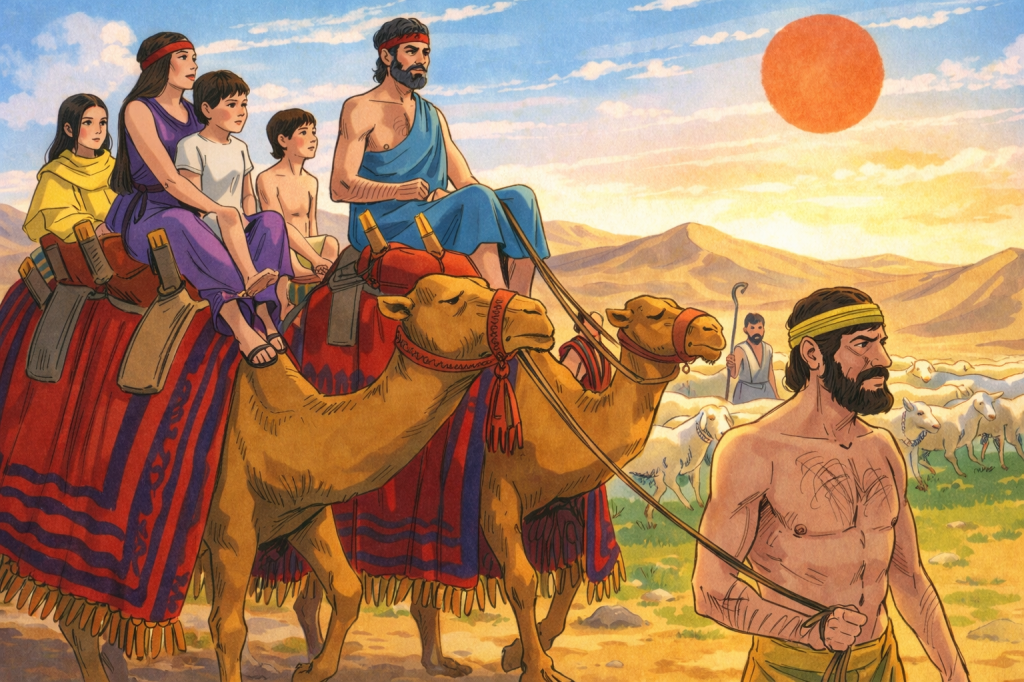
Jacob is another powerful example of this truth. God commanded Jacob to leave his existing place. He moved from Beersheba to Haran, to his mother’s family, and lived with his uncle Laban for nearly twenty years. During that time, Jacob’s flocks increased greatly—more than Laban’s. Yet Laban continually tricked Jacob: from marrying the love of his life, to manipulating wages, to deceiving him in the breeding of the sheep. In spite of being cheated and mistreated, Jacob continued to prosper because God’s favor rested abundantly upon him.

When Laban and his family saw Jacob increasing, their attitude toward him changed. The Lord saw every injustice, every deception, and every unfair treatment. Then God commanded Jacob to return to his birthplace and promised to be with him. Jacob shared this instruction with his wives, and they agreed to move with him.

God appeared to Jacob again in a dream and acknowledged his suffering, saying:

For I have seen how Laban has treated you. I am the God who appeared to you at Bethel, the place where you anointed the pillar of stone and made your vow to me. Now get ready and leave this country and return to the land of your birth.

Genesis 31:12–13 NLT

Jacob, his wives, his children, and all that belonged to him began their journey back to his birthplace without informing Laban. When Laban later discovered that Jacob had left, he pursued him and eventually met him on the way. A treaty was made between them. They set up a pillar, which Jacob named Mizpah, meaning watchtower. They made a covenant meal and agreed not to cross the boundary to harm one another.

Jacob took an oath before the fearsome God of his father, Isaac, to respect the boundary line.

Genesis 31:53 NLT

The Word of God encourages us that God brings us out of certain territories to fulfill His divine plans. Twenty years was a long time for Jacob to be cheated by his own uncle and family. The painful part was that Jacob knew he was being deceived, yet he had no choice but to endure it. To others, Jacob’s life appeared successful—as if Laban had helped him build and establish a family. But in reality, Jacob was denied his basic rights.

God had been watching all along. A day came for Jacob to move, to set up a boundary, and to establish a watchtower between his past and his future. Jacob had to leave years of lies, deception, and the illusion of security in order to prepare a path for future generations to inherit the promised land.

The same God who watched over Jacob is watching over you. Jacob had to leave Laban’s traditions, practices, gods, and ways of life to receive a fresh start and step into a greater future.

As we come to the end of this year, may God set a clear boundary between your past and your future. May you cross over, leaving behind the old self, old habits, and old practices that deceived you and held you back. May you step into a life filled with abundance, peace, love, and joy.

God has seen your past, and now it is time to set a boundary and leap forward into a future filled with hope and life.

Prayer:

Lord, thank You for being the God who sees every injustice and every silent tear. As You gave Jacob a fresh start, give us the courage to move when You call us. Set holy boundaries between our past and our future, and lead us into Your promises filled with peace, joy, and hope. We trust You with every step ahead. In Jesus’ name, Amen.

Standard
Daily Christian Devotion

The Blood Of Jesus Christ Is Our Doom Of Protection

“He who dwell in the shelter of the Most High will abide in the shadow of the Almighty. I will say to the Lord, “My refuge and my fortress, my God, in whom I trust.””

Psalm 91:1-2 ESV

We all desire to live in a protected place. Nations have their own ways and strategies to guard their boundaries—on land, water, and air. Yet even the strongest systems have loopholes that allow enemies to cross borders and attack. In other words, there is nothing in this world that can truly be called the safest apart from the protection of God.

During the very early stages of my childhood—around four years old—we lived in a village. Our house was located in such a way that behind it were fields where crops grew year-round, and beyond those fields stood mountains. It was a beautiful, serene place to live. But with that beauty came dangers as well—predators, reptiles, and animals I cannot even name now.

Being the youngest, my siblings would take me out to “play,” walking along narrow pathways and often visiting the mountains, just a short walk from our house. We would see animals that had been killed, spiders, scorpions, snake skins, and I even remember playing with snake eggs that were laid in our garden.

None of this frightened us as children, but I clearly remember how alarmed our parents were whenever these uninvited visitors showed up. We saw snakes in outdoor bathrooms, pipes, pits, and wells. The adults were always watchful, doing everything they could to protect the house from these animals. They made sure there were no open pipes, and outdoor bathrooms were carefully inspected before children were allowed to use them. They did all they could, within their ability, to guard us.

One day, while our parents were extending our bedroom to attach a bathroom, they had to use an open space. The bedroom was almost complete, with only a few minor things left to be done. I remember it was nap time, and all five children were sleeping on a custom-made wide bed. My mother came to check on us and suddenly found a black, poisonous cobra under the bed. She screamed loudly for help.

Hearing her scream, we slowly woke up and began to sense the danger. My mother could not reach us, and we could not get to her. Strangely, it did not feel terrifying to us at the moment—we were used to seeing snakes outside, and now there was one inside. Because we were accustomed to handling such situations, help arrived quickly, and the snake was removed.

The irony is that anything could have happened. We did not know when the snake entered or how long it had been under our bed. Yet at the precise moment my mother came to check on us, the snake did not harm us or defend itself. I vaguely remember how huge it was. Afterward, my mother cried uncontrollably, holding us tightly. This was nothing but the protection of God—not only in that incident, but amid all the dangers that surrounded that area.

A year later, we moved away for better education. Thinking back on this ordeal is frightening, but it was clearly the hand of God that protected us at such a time. It stands as a powerful reminder that only God’s protection is effective and cannot be tampered with.

Now, as I have my own family and live in a more sophisticated place, whenever fear of danger arises, I remember incidents like this and thank God. If He was able to protect us then, He is surely able to protect us now.

After I came to know who Jesus is and what His blood can do, I can rest assured that the blood of the Lamb—which protected the people of Israel from the spirit of death—is still powerful to protect us today. The Word of God encourages us that He places a dome of protection wherever we go. As children of God, we have the privilege of dwelling under the shadow of the Almighty. He is our shield, our fortress, our stronghold, and our safe haven.

Remember, disaster did not touch the homes that had the blood of the Lamb on the doorposts and remained under its covering. When you feel afraid or insecure, run into the arms of the Almighty and seek His protection.

“For the Lord will pass through to strike the Egyptians, and when he sees the blood on the lintel and on the two doorposts, the Lord will pass over the door and will not allow the destroyer to enter your houses to strike you.”

Exodus 12:23 ESV

Prayer:

Heavenly Father, thank You for being our refuge and our shield. We trust in Your unfailing protection over our lives and our families. Cover us with the blood of Jesus, guard us from seen and unseen dangers, and help us rest under the shadow of Your wings. In Jesus’ name, Amen.

Standard
Daily Christian Devotion

You Are The One Called To Do This

“Behold, I have put My words in your mouth.See, I have set you this day over nations and over kingdoms,to pluck up and to break down,to destroy and to overthrow, to build and to plant.”

Jeremiah 1:9–10 ESV

Recently, I developed an interest in growing indoor plants. I ordered a palm tree online from another state, and honestly, I wondered if it would even survive—after all, it arrived in a box. But to my surprise, the plant grew bushy, healthy, and taller day by day. It was receiving the perfect balance of light, water, and nutrients. It grew so well that I had to move it into a bigger pot, and even then, it continued to thrive.

But eventually, I noticed something troubling. The plant that once had deep green leaves began turning pale. The leaf tips were drying. It was still growing, yet silently weakening. When spring arrived, I decided to repot it. That’s when I found the issue—a decaying root. One dying root was slowly affecting the rest, blocking proper nutrient absorption and secretly damaging what appeared beautiful and strong on the outside.

During the repotting, I uprooted the plant, washed the roots with fresh water, removed the dried branches, pruned the leaves, replanted it in nutrient-rich soil, and treated it with protective spray. As always, I prayed over the plant I loved and longed to see flourish.

Now, this summer, I see a new, healthy branch rising from the soil—a beautiful sign of renewal. I pray it continues to thrive and survive the winter ahead.

The Word of God reminds us that He has called us to make a difference for His name’s sake.

You are in that family, in that office, in that hospital, in that school, in that church, and in that situation to be God’s mouthpiece. He has chosen you to speak, to stand, and to participate in divine “damage control.”

He told Jeremiah that he was appointed to pluck up and to break down, to destroy and to overthrow, to build and to plant. God spoke these words to strengthen Jeremiah because the message he carried would not be welcomed by many. People would disagree, oppose, and resist—but Jeremiah still had to speak so that evil could be uprooted and truth could be planted.

In the same way, God will use you right where you are to bring warning, healing, restoration, and spiritual health.

You may be the only one who can warn your child and help uproot harmful behaviors.

You may be the only one who can bring comfort and healing to your colleagues.

You may be the only one who can stand up and oppose what contradicts the Word of God.

You may be the only one who can shift the atmosphere in your environment.

You may be the only one who can pray, carry, and plant the good news in the lives of those walking in darkness.

Your words carry power, authority, and God’s message. Do not stay silent where you are called to speak. He has chosen and equipped you for such a time as this—to uproot, to build, and to plant His truth. He trusts you with the responsibility of representing His Kingdom.

You are the one God will use to bring that move, that change, that holy transformation.

Prayer

Father, thank You for calling and equipping me to speak Your truth. Uproot anything in my life that hinders growth, and plant within me a bold, obedient, and faithful spirit. Use my words to bring healing, warning, restoration, and hope to those around me. Make me a vessel of Your Kingdom wherever I stand. In Jesus’ name, Amen.

Standard
Daily Christian Devotion

God will lift you

“So humble yourselves under the mighty power of God, and at the right time he will lift you up in honor.”

1 Peter 5:6 NLT

Everyone wants to be a leader. Everyone wants to be known, seen, and appreciated.

But not everyone wants to work undercover for the Lord. Many assume that only those on the front lines of ministry will take the front seat in heaven.

Yet the Bible says otherwise—the least becomes the greatest in the Kingdom.

God sees the humility of the heart far beyond any outward display.

Aaron was Moses’s older brother, yet he was not as well-known as Moses. But everything Moses did under God’s command could not have happened without Aaron’s partnership. Though older, Aaron walked in humility—receiving instructions, working alongside Moses, and speaking on his behalf. He never desired to take Moses’s place.

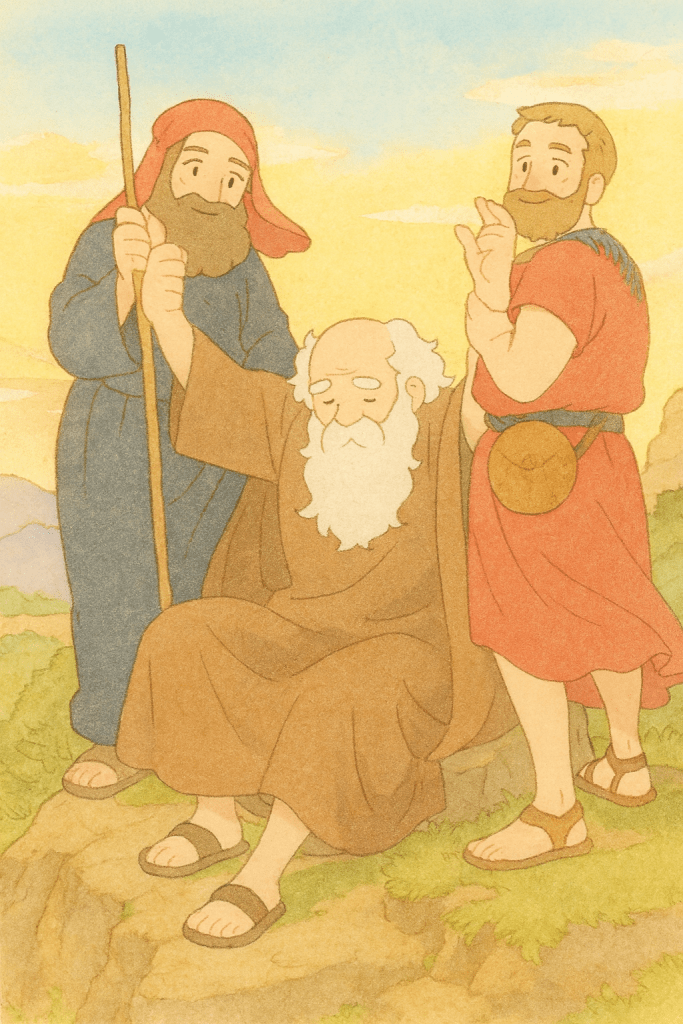
In Exodus 17, when the Amalekites came against Israel, Moses chose Joshua to lead the battle while Moses, Aaron, and Hur went to the top of the hill. Whenever Moses held up his hands, Israel prevailed, but when his hands grew weary, the enemy gained ground.

At one point, Moses could no longer hold them up. So Aaron and Hur placed a stone for him to sit on and lifted his hands—one on each side—until Joshua completely defeated the Amalekites.

People would have praised Joshua for winning the battle and recognized Moses for lifting his hands, but very little acknowledgment was given to Aaron and Hur.

We need Aarons also in the battle—not just Moseses and Joshuas. Someone must also support the fight from behind, not only those who actively stand on the front lines. Every gift and every talent matters in the Kingdom. God decides how they are used, where they are placed, and He honors the heart that offers them.

God honored Aaron’s quiet faithfulness by appointing his entire lineage as high priests—those who alone were allowed to minister in the temple and enter the Holy of Holies where God’s presence dwelled.

For the the tribe of Levi, God Himself became their inheritance and provision.

The Word of God reveals that no assignment is demeaning in His Kingdom. We are called to partner with God’s plans, not resist them.

God can use a wealthy, educated Paul to preach and suffer for the gospel, and He can use a humble woman like Tabitha, who served quietly by sewing clothes for widows and the poor. Both names were written in Scripture—not because of the size of their ministry but because of their obedience in it.

Be encouraged: God will honor every silent act done in secret for Him. He sees your charity, your unseen sacrifices, your support for your family, your hospitality, your consistency, your willingness to serve. Even if your role feels small, do it with a cheerful heart—for your reward is great in the Kingdom of God.

Prayer

Father, strengthen my heart to serve You with humility. Teach me to find joy in every assignment, whether seen or unseen. May my life bring You glory, and may my hands remain faithful in all You have entrusted to me. Amen.

Standard
Daily Christian Devotion

Cleanse. Renew. Restore.

“Create in me a clean heart, O God, and renew a right spirit within me. Cast me not away from Your presence, and take not Your Holy Spirit from me. Restore to me the joy of Your salvation, and uphold me with a willing spirit.”

Psalm 51:10–12 ESV

This song was written by David—the one known as a man after God’s own heart. His life was a testimony from a young age. The Lord led him from shepherding sheep to ruling as a king. He was a man with strength, wisdom, favor, and honor. His life looked like something anyone would admire or desire.

No one could stand against him, and his name spread far. There was reverence wherever he went. This God-fearing man, who loved the Lord and sought Him for everything, fell face down into sin and committed adultery.

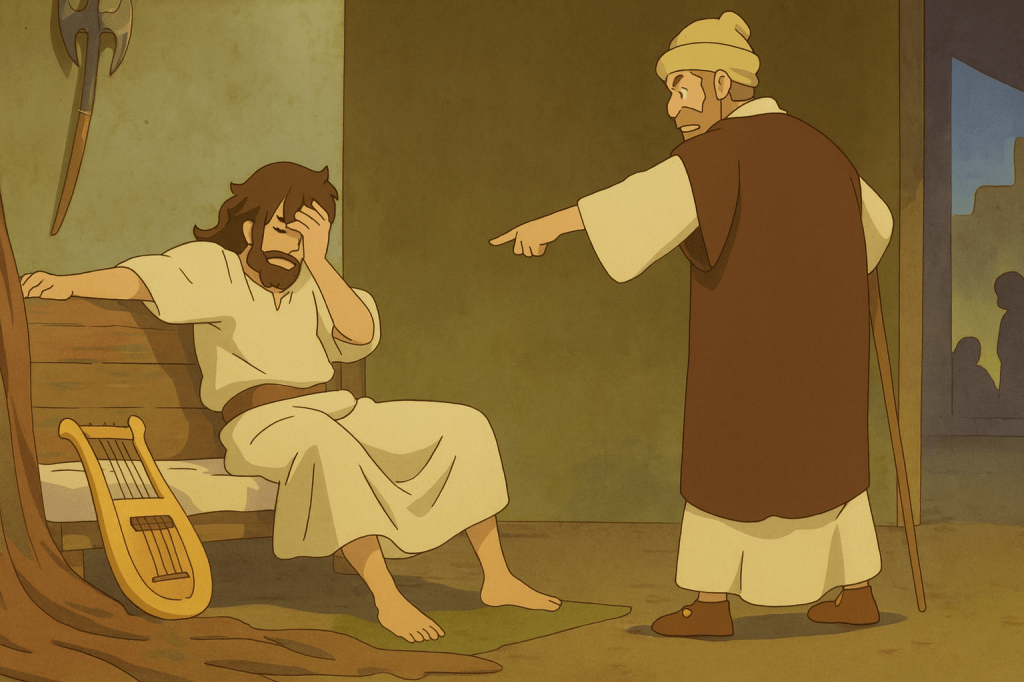
And not just adultery—he planned and covered up the murder of the woman’s husband. Until God exposed his sin through the prophet Nathan, David lived without conviction or guilt.

This passage shows the depth of true repentance—the longing to be cleansed and forgiven. Anyone can fall—believers, servants of God, even those in ministry. You hear the stories, you see the headlines. It is heartbreaking, but what’s even more heartbreaking is when someone cannot rise again from the fall.

David was not perfect—but what set him apart was his heart. He had a heart of repentance and gratitude. He knew everything he ever did was by the Spirit of God. And when he sinned, he recognized that he had grieved the Holy Spirit. His prayer was raw, honest, and without any mask.

His cry was simple:

Cleanse. Renew. Restore.

The absence of any of these will leave a person in fear, heaviness, and anxiety.

Sin destroys peace. Many are tormented because of guilt, regret, and the inability to bounce back. The enemy waits for such moments. He uses sin to chain you with guilt and keep you from your God-given purpose.

Yet David is a powerful example of someone who rose again. He committed one of the greatest sins of his life, betraying God despite all His goodness. But David also knew something important: God hates sin, but God is merciful.

The Word of God reminds you that no matter how great the sin, God’s mercy can reach beyond it. Instead of dying inside, cry out for cleansing. Ask Him to renew your spirit and revive your soul. As you believe in His grace and mercy, He will break guilt and restore you.

This is the very reason Jesus came—He shed His blood and gave His life so you could live free. When you remain in guilt and the consciousness of sin, you are forgetting the very purpose of the cross.

You are precious in God’s sight.

He loves you deeply.

And He wants you free.

Prayer

Lord, create in me a clean heart and renew a right spirit. Restore my joy and silence every voice of guilt. Thank You for Your mercy and love. In Jesus’ name, Amen.

Standard
Daily Christian Devotion

Let The Weak Say I am Strong

“Beat your plowshares into swords, and your pruning hooks into spears; let the weak say, ‘I am a warrior.’”

Joel 3:10 (ESV)

Only God can take a shepherd boy and make him a king, a fisherman and make him a preacher, a persecutor and make him a teacher, and a doubter and make him a miracle-worker. In every situation, God used the rejected, the humble, and the weak to carry His gospel.

God delights in using what seems foolish to confound the wise and the weakest to fulfill His promises. He doesn’t operate according to earthly systems or human qualifications—whether social, political, financial, or spiritual. He works according to His will and His Kingdom purpose.

God loved Israel deeply, yet He is also a just God. When their ways no longer aligned with His holiness, He allowed discipline. But when they cried out, He heard them. And He chose a man named Ehud, from the tribe of Benjamin, to deliver them from oppression. Scripture notes that he was left-handed—not a deformity, but a detail rarely mentioned in Scripture. In ancient times, the right hand symbolized strength and favor, while left-handedness was often viewed negatively.

Yet what others could see as a weakness, God used as a divine strategy.

Ehud concealed a dagger on his right thigh—where no one expected it. When he approached King Eglon of Moab, the guards examined only his left side, assuming he was right-handed. They never found the weapon. Ehud then told the king that he had a secret message. Hearing this, the king dismissed his guards and the room was locked, leaving Ehud alone with him. In that private moment, Ehud used his left hand, drew the hidden dagger, and struck down the oppressor. What appeared to be a disadvantage became the very strategy God used to bring deliverance to a nation.

Today’s passage reminds us:

God’s plans prevail.

Your weakness is not a barrier.

Your limitation is not a disqualification.

In God’s hands, even what feels like a disadvantage can become your greatest Kingdom strength.

He is not seeking the strongest, the most capable, or the most skilled—but the surrendered, the willing, and the humble. Your weakness is an open door for God’s power to be made perfect in you.

Instead of hiding it—offer it.

Instead of despising it—yield it.

May what you once called a weakness become an instrument of deliverance in God’s hands.

Prayer

Lord, I surrender every weakness, limitation, and insecurity into Your hands. Use my life for Your glory. Turn what seems insufficient into strength for Your Kingdom. Make me willing, humble, and obedient. In Jesus’ name, Amen.

Standard
Daily Christian Devotion

A Heart Of Gratitude Attracts God

“Sing to the Lord, for He has triumphed gloriously; the horse and his rider He has thrown into the sea.” Exodus 15:21 (ESV)

Miriam, the first prophetess mentioned in the Bible and the sister of Moses and Aaron, was born into slavery under oppression. Scholars often call her a visionary. She played a significant role in saving her baby brother Moses—watching over the basket floating along the Nile until he was found by Pharaoh’s daughter. With wisdom and courage, she ensured that their mother became Moses’ nurse in the palace. Miriam is remembered for her faith, resilience, boldness, and leadership.

During the time of Exodus, the Israelites lived under harsh bondage. They were burdened by relentless labor, crushed by taskmasters, and surrounded by an oppressive atmosphere for many generations. But after God performed miraculous signs and wonders—and after the Red Sea parted and closed behind them—freedom finally came.

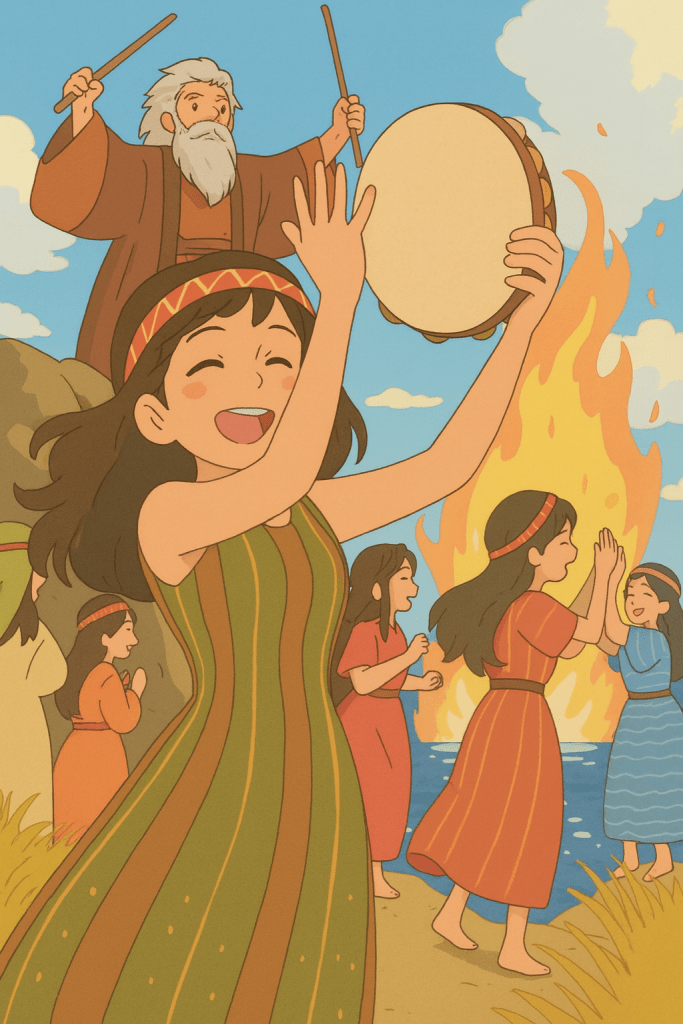
Right after Israel crossed the sea and witnessed the greatest deliverance of their lives, Miriam—the prophetess—led the women with singing, dancing, tambourines, and worship.

The beautiful irony is this: even in the years of bondage, she kept a tambourine ready and a song in her heart.

No oppression, burden, or responsibility silenced her praise.

While others packed silver and gold, Miriam packed joy. She carried an instrument of worship because she expected God to move.

She became the first recorded worship leader in Scripture—ushering in praise after the long-awaited freedom from slavery.

The Bible never records Miriam complaining during captivity. Instead, she is remembered as joyful and confident in the Lord. Her immediate response to victory reveals a lifestyle of praise—not something spontaneous, but something practiced.

Miriam was content in every season because she carried worship on her lips and gratitude in her heart.

Today, the Word of God reminds us to do the same:

“Be thankful in all circumstances, for this is God’s will for you who belong to Christ Jesus.”

1 Thessalonians 5:18

When Jesus healed ten lepers, only one returned to thank Him. Jesus noticed—and He asked, “Where are the other nine?” Gratitude matters to God.

Thanking God for what He has done is gratitude.

Thanking Him for what He will do is faith.

A grateful heart attracts the presence of God. As long as breath fills your lungs, choose to thank Him.

Gratitude changes posture, perspective, and destiny. When we cultivate gratitude toward God, we also learn to appreciate people He sent to help us on the journey.

Gratitude will take you places.

Thankfulness will open doors.

Praise will bring down walls.

Prayer:

Lord, give me a heart like Miriam—full of praise, gratitude, and faith. Help me worship through every season and trust You before I see the breakthrough. Let thankfulness always flow from my heart and lips. In Jesus’ name, Amen.

Standard
Daily Christian Devotion

Be expectant—your help is on the way from The Ebenezer

“Then Samuel took a stone and set it up between Mizpah and Shen and called its name Ebenezer; for he said, ‘Till now the Lord has helped us.’

1 Samuel 7:12 (ESV)

Being helped by someone is a great privilege. Not everyone comes forward to help, and not everyone receives help at the right moment. But God never ceases to help—He shows up at the right time and in the right place. Sometimes, when we are surrounded by blessings and favor, we begin to take His help for granted. Our minds may even start to believe that God is obligated to help us, instead of responding with gratitude and reverence.

God helps us when our ways please Him and when we walk in obedience to His commandments.

1 Samuel chapters 4–7 describe a battle between the Israelites and the Philistines. Israel was known as a mighty army—not because the people were skilled, but because their God was powerful, faithful, and undefeated.

Yet Israel turned away from God. They lived in sin and began worshiping other gods. So, when the battle came, despite having a strong army, the Israelites were defeated, and 4,000 soldiers died—serving as a wake-up call.

Instead of repenting, the Israelites looked for a shortcut. They brought the Ark of the Covenant into battle, thinking it would guarantee victory—treating it like a charm instead of approaching it with reverence and holiness. But once again, they were defeated—this time losing 30,000 men, and the Ark of the Covenant itself was captured.

The Philistines took the Ark, but the presence of God brought plagues and terror upon their land. In fear and trembling, they returned the Ark with a guilt offering.

At that point, Samuel the prophet called the people to repentance. He urged them to turn from idols, obey God’s commandments, and return to Him with sincere hearts.

So, all of Israel gathered at Mizpah. They fasted, worshiped, and repented. They laid aside their idols and surrendered themselves fully to the Lord.

When the Philistines heard about the gathering, they came to attack. Fear filled the people of Israel, but Samuel offered a lamb as a sacrifice and cried out to God—and God answered.

As Samuel presented the offering, the Philistines advanced—yet the Lord thundered with a mighty sound, throwing them into confusion, and they were defeated before Israel. The Israelites pursued them and drove them out.

Then Samuel set up a stone and called it Ebenezer, meaning:

“Thus far the Lord has helped us.”

This word of encouragement is for those waiting on God to intervene:

The Lord will help you—even in battle-like situations.

But do not treat God as one of many helpers—place your hope in Him as ‘The Help’.

Before I accepted Jesus as my Savior, when I felt afraid, I would place a physical Bible under my pillow or carry it with me. But I only began to experience the power of God’s Word when I surrendered my life and aligned my ways with Him. A physical Bible cannot help us—but the Spirit of God who breathed those words into existence can.

God will not move on our behalf while we hold onto idolatry—whether it shows up as pride, jealousy, fear, or unholy living.

It is not too late to repent, return to the Lord, and walk in obedience. We no longer need a lamb like Samuel offered—because we already have the Lamb of God, Jesus Christ. Through His sacrifice, His blood, and His grace, we are forgiven, restored, and positioned to receive His help and favor again.

This Ebenezer God will not let your foot slip.

He will not hand your life over to the enemy.

He will not leave you abandoned or defeated.

Be expectant—your help is on the way.

Prayer

Lord, search my heart and reveal anything that does not please You. I repent of every sin, every idol, and every attitude that has taken Your place. Help me, Lord, for You alone are my refuge, my strength, and my deliverer. Thank You that You are my Ebenezer—my ever-present help. In Jesus’ name, Amen.

Standard
Daily Christian Devotion

You will not run dry

“The jar of flour will not be used up and the jug of oil will not run dry until the day the Lord sends rain on the land.”

1 Kings 17:14

Everyone enjoys feeling seen, valued, and prioritized. When someone makes us their priority, it reassures us that we matter. In the same way, Scripture reminds us of the importance of giving God first place in our lives. In our time, relationships, resources, and decisions—when God comes first, we will never run dry.

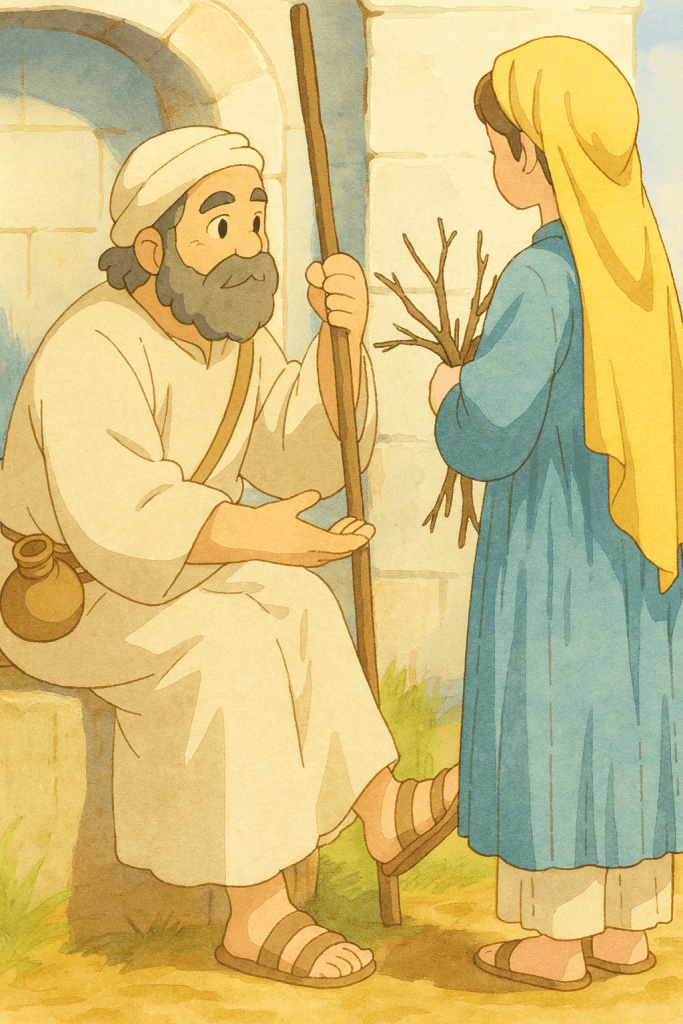
The story of Elijah and the widow reveals this truth. Elijah approached a widow gathering sticks and asked her for bread. She replied that she had only a little flour and oil left—just enough for her and her son to eat one final meal before dying. Famine filled the land, resources were scarce, and hope was fading. Yet Elijah asked her to make his portion first and assured her of God’s promise:

In faith, the woman obeyed. With her little, she honored God first—and as promised, her oil and flour never ran out until the famine ended.

Likewise, when we give God the first in every circumstance—not only when it is easy, but in everything—we position ourselves under His provision. Making God our first priority opens the door for His kingdom to move on our behalf.

Keeping God first means seeking Him, honoring Him, trusting Him, and thanking Him for who He is. Throughout Scripture, not one person who put God first was abandoned, forgotten, or left without help.

Be faithful with what God has entrusted to you:

• Give Him the first hour of your day.

• Give Him the first tenth of your income.

• Seek Him before leaning on relationships or people.

• Acknowledge Him in every decision.

“But seek first the kingdom of God and his righteousness, and all these things will be added to you.” Matthew 6:33 (ESV)

Jesus teaches us to prioritize the kingdom first—and then everything else will align. Yet many times, we reverse the order. We seek everything else first and leave God last. We are careful not to offend people, yet easily grieve God. We strive to please others and forget to please the One who sustains us.

We cannot treat God as our last priority and expect Him to treat us as His first. The measure we give Him becomes the measure we receive.

Seeking anything without first seeking God leads to exhaustion, emptiness, and striving without fulfillment. But when God is first, everything else falls into its rightful place.

Keep God first—and watch His kingdom move on your behalf. You will not run dry.

Prayer

Father, teach me to put You first in every area of my life. Strengthen my faith like the widow, so that even in lack or uncertainty, I trust Your provision. Thank You that when You are first, lack cannot reign, fear cannot rule, and I will not run dry.

In Jesus’ name, Amen.

Standard