
“Bearing with one another and, if one has a complaint against another, forgiving each other; as the Lord has forgiven you, so you also must forgive.” Colossians 3:13 ESV
Forgiveness is not a request from God; it is a requirement for being a child of God.
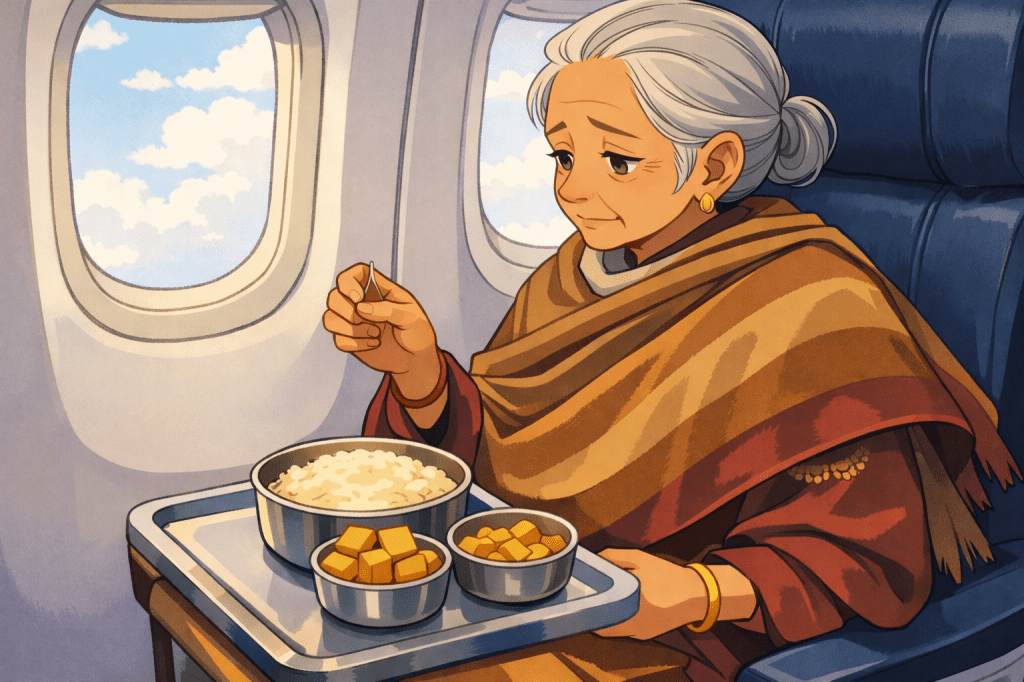
I know a family friend of ours—a widow in her late 60s—who went through an incident that almost cost her life. She had gone to spend time with her son and daughter-in-law, who lived in another country. After a few months of staying with them, one night a severe argument broke out between her and her daughter-in-law due to serious misunderstandings and ongoing quarrels.
In a fit of anger, the daughter-in-law forced her mother-in-law out of the house and booked a flight to send her back to her home country. The helpless son could only accompany his mother to the airport. She returned to her homeland abandoned by the only family she had. With a heavy heart—filled with sadness, grief, anger, and betrayal—she arrived home under intense emotional stress.
She repeatedly shared her pain with everyone around her, hoping to find comfort, but no one could truly console her or help her heal. The emotional stress became chronic. After a few months of depression and distress, doctors diagnosed her with breast cancer, which needed immediate attention due to its rapid growth.
Further tests revealed that her immune system was severely compromised, affected by prolonged stress. Doctors were unable to proceed with surgery immediately because her vitals and blood levels were dangerously elevated. They advised counseling, emotional rest, and stress reduction before any medical intervention.
She struggled deeply to forgive her family. Loneliness only intensified her pain. After much counseling and being introduced to Christ’s teaching on forgiveness—and with constant encouragement—she finally chose to forgive. She released the people and the situation into God’s hands.
Gradually, her vitals began to stabilize. The doctors performed the surgery successfully, and what surprised them was how quickly she healed, especially considering her age.
Medical research may not conclusively prove that chronic stress causes cancer, but it does show that prolonged stress weakens the immune system and that stress hormones can stimulate cancer cell growth.
Unforgiveness fuels chronic stress. It creates psychological pressure that keeps the body in a constant state of alert, leading to serious health issues such as cardiovascular disease, weakened immunity, and cognitive problems.
Above all the physical consequences of unforgiveness, the greatest loss is spiritual—you risk missing heaven.
The Bible calls us to forgive others just as Christ forgave us. If Christ were to hold us accountable for every betrayal and sin, most of us—including me—would not be eligible to enter heaven. Yet God, in His great mercy, poured out forgiveness through the blood of Jesus Christ, freeing us from anger and wrath.
Scripture teaches us to forgive freely, because we have received forgiveness freely. We are called to show the same mercy that God has shown us.
Forgiveness liberates you from punishing yourself. The one who hurt or betrayed you may be living their life, while the victim continues to suffer and misses out on the blessings God has prepared.
So forgive—at least for your own sake—and claim the place in heaven that God has promised you. You deserve peace and joy. Do not allow anyone or any emotion to steal that from you.
Prayer:
Heavenly Father, thank You for the forgiveness You have freely given us through Jesus Christ. Give us the grace to forgive others, even when it is painful and difficult. Help us walk in love, mercy, and obedience, reflecting Your grace to the world. In Jesus’ name, Amen.
 4mthesoul